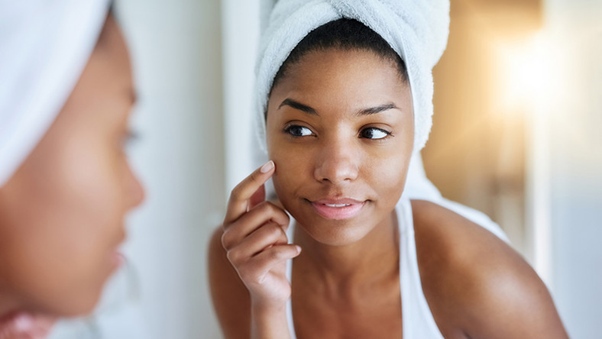
If you’ve ever wondered how makeup artists get that perfect, smooth finish on the skin, the secret often lies in one product: primer.
Primer is the base layer of your makeup routine, designed to prep your skin by smoothing its texture, minimizing pores, and creating a flawless canvas for the makeup you apply next.
Whether you’re going for a natural glow or a full glam look, primer helps your makeup last longer and stay in place throughout the day — a must-have for every party makeup artist in Chennai who wants a shine-free, long-lasting look for their clients
It acts as a barrier between your skin and your makeup, ensuring the products sit evenly on your face. It’s one of those beauty essentials you didn’t know you needed until you start using it.
Why Use a Primer?
So, why should you use a primer in your makeup routine?
For starters, it helps your makeup stay put, meaning no more midday touch-ups or patchy foundation! Primer smooths out any imperfections, like fine lines, uneven skin texture, or enlarged pores.
If you have oily skin, primer can help control shine, and for those with dry skin, it adds that much-needed hydration to prevent makeup from caking.
Another hidden benefit of primer is how it can enhance the vibrancy of your makeup.
By evening out your skin tone and giving your makeup something to grip onto, the colors of your foundation, blush, or eyeshadow pop even more.
It’s especially useful if you’re prepping for a big event or a long day—primer ensures your makeup doesn’t budge, even in hot or humid conditions.
Different Types of Makeup Primers
Just like other beauty products, primers come in a wide variety of formulations to address specific skin needs.
While primers are generally applied to the face, different areas of your face might benefit from more specialized primers.
Here’s a breakdown of the different types of makeup primers available:
Face Primers: The most commonly used primer, face primers come in a variety of formulations based on skin concerns.
Mattifying face primers are ideal for oily skin, hydrating primers are better suited for dry skin, and illuminating primers help give the skin a radiant, dewy glow.
Some primers even come with color-correcting properties, reducing redness, sallow undertones, or uneven pigmentation.
Eye Primers: If you struggle with eyeshadow fading, creasing, or not showing up vibrantly, an eye primer is a game-changer.
Eye primers are specifically formulated to create a smooth surface on your eyelids, ensuring your eyeshadow stays in place and colors appear brighter.
They can also help prevent eyeliner from smudging and keep your eye makeup looking fresh for hours.
Lip Primers: Lip primers prep the lips for color application by smoothing the surface and preventing feathering or bleeding of lipstick into the fine lines around your mouth.
They also improve the longevity of lip products and ensure that colors stay vibrant without frequent touch-ups.
Lash Primers: Often overlooked, lash primers are used before mascara to add volume, length, and definition to your lashes.
They help the mascara adhere better while also conditioning your lashes, ensuring that the final result is more dramatic and long-lasting.
Each of these primers is designed for a specific function, but depending on your makeup needs, you can use a combination of them for a more flawless and long-lasting finish.
Choosing the Right Primer for Your Skin Type
Selecting the right primer is essential to achieving the best results for your makeup. Not all primers work for every skin type, so it’s important to choose one that matches your specific skin concerns.
For Oily Skin: If your skin tends to get shiny throughout the day, a mattifying primer is your best option.
These primers are usually silicone-based and work to control oil production while filling in pores, giving your skin a smooth, matte finish that holds makeup in place longer.
They are perfect for people who deal with excess shine, especially in the T-zone — an essential step for polished, photo-ready groom makeup in Chennai during wedding ceremonies.
For Dry Skin: If you have dry or dehydrated skin, you need a primer that adds moisture to your skin and prevents makeup from clinging to dry patches.
Look for primers that are hydrating or water-based and contain ingredients like glycerin or hyaluronic acid to lock in moisture and keep your skin plump and smooth.
For Combination Skin: If your skin is both oily and dry in different areas, finding a primer that balances these concerns can be tricky.
In this case, you may want to use a multi-tasking primer or even combine two different primers—one for oily areas and one for dry areas.
A balancing primer is ideal for managing these conflicting skin needs, ensuring that both hydration and oil control are addressed.
For Sensitive Skin: For those with sensitive or acne-prone skin, it’s essential to choose a primer that’s non-comedogenic (won’t clog pores) and free from irritating ingredients like fragrances or alcohol.
Look for primers that are formulated with soothing, calming ingredients like aloe vera, chamomile, or green tea extracts.
For Aging Skin: If you’re looking to smooth out the appearance of fine lines and wrinkles, choose a primer that’s specifically designed for aging skin.
These primers often include anti-aging ingredients like peptides, collagen, or antioxidants to help firm and plump the skin while minimizing the look of lines and improving the texture of your foundation.
Do You Really Need a Primer?
Not everyone uses primer daily, and whether you need it depends on your personal makeup routine and skin concerns.
If you have relatively smooth skin and aren’t looking for all-day wear, you might not notice a dramatic difference without primer.
However, if you struggle with large pores, oily skin, or dryness—or if you want your makeup to last through a long day or special event—primer can be a game-changer.
For those of us who live in hot or humid climates, primer is essential. It helps your makeup resist heat and sweat, preventing it from sliding off or becoming patchy by mid-afternoon.
Ultimately, primer makes everything look better and last longer, so it’s worth the investment, especially if you wear makeup regularly.
Common Mistakes to Avoid When Using Primer
Even though primer is fairly easy to use, there are a few common mistakes that can prevent you from getting the best results:
Using Too Much Primer: Applying too much primer can cause your foundation to slide off or look cakey. Stick to a pea-sized amount and only add more if necessary.
Skipping Moisturizer: Even if you’re using a hydrating primer, it doesn’t replace your moisturizer. Always apply moisturizer first, allowing it to sink into your skin before moving on to primer.
Not Letting Primer Set: After applying primer, it’s important to let it fully absorb into your skin before applying foundation. This step is crucial for ensuring your makeup adheres properly and lasts longer.
FAQs
Can Primer Replace Moisturizer?
Can Primer Be Used Alone?
How Long Should You Wait After Applying Primer?
What’s the Difference Between Primer and Setting Spray?
Conclusion
Incorporating a primer into your makeup routine can be a game-changer. It helps smooth out your skin, makes your makeup last longer, and ensures a flawless finish. Whether you have oily, dry, or sensitive skin, there’s a primer that will suit your needs.
If you haven’t tried using a primer yet, now’s the perfect time to start! You’ll notice the difference in how your makeup applies and how long it lasts.